The Best Roofing Materials, As Told By Commercial Roofers
Selecting the right roofing material is one of the most important decisions a business owner can make when constructing or upgrading a commercial property. The roof protects the building from the weather, helps regulate interior temperatures, and contributes to the overall efficiency and longevity of the structure. With so many materials available today, it can be difficult to determine which option delivers the best balance of durability, cost, and performance.
Experienced commercial roofers evaluate roofing systems based on climate conditions, structural requirements, long-term maintenance needs, and budget considerations. Some materials offer exceptional durability, while others focus on energy efficiency or affordability. Understanding the strengths of each option allows property owners to make informed decisions that support the long-term success of their building.
Considering Asphalt Shingles for Commercial Properties
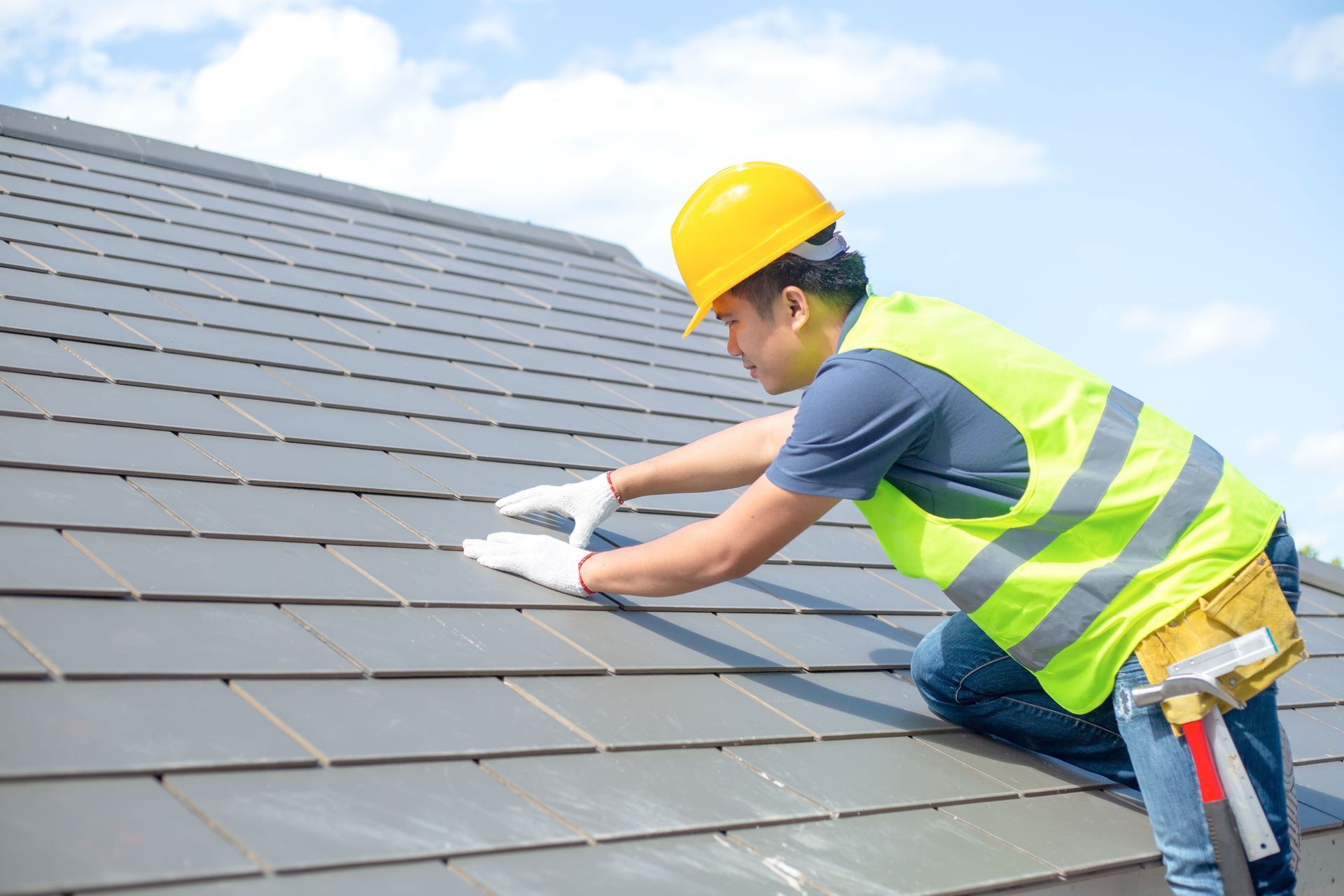
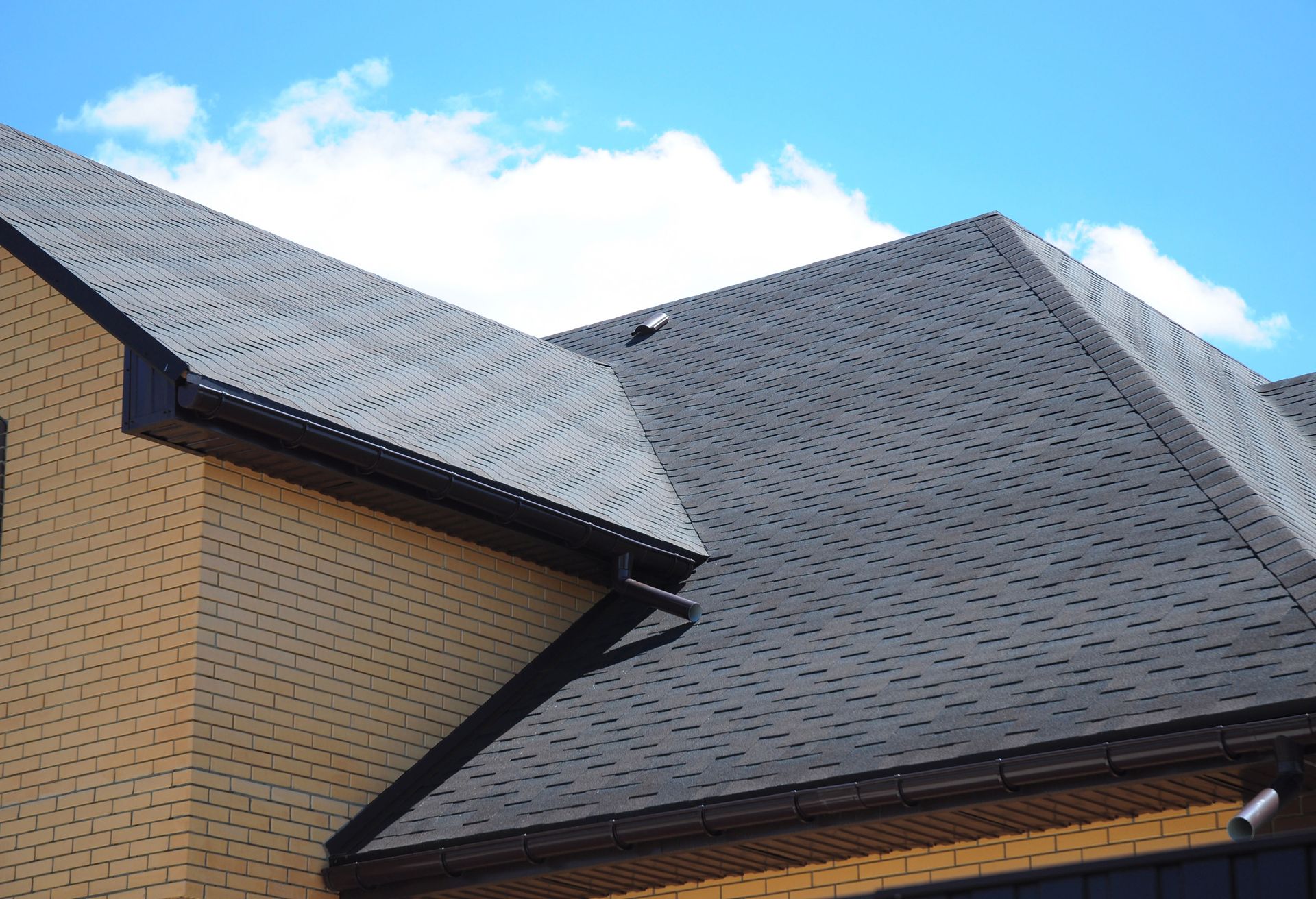
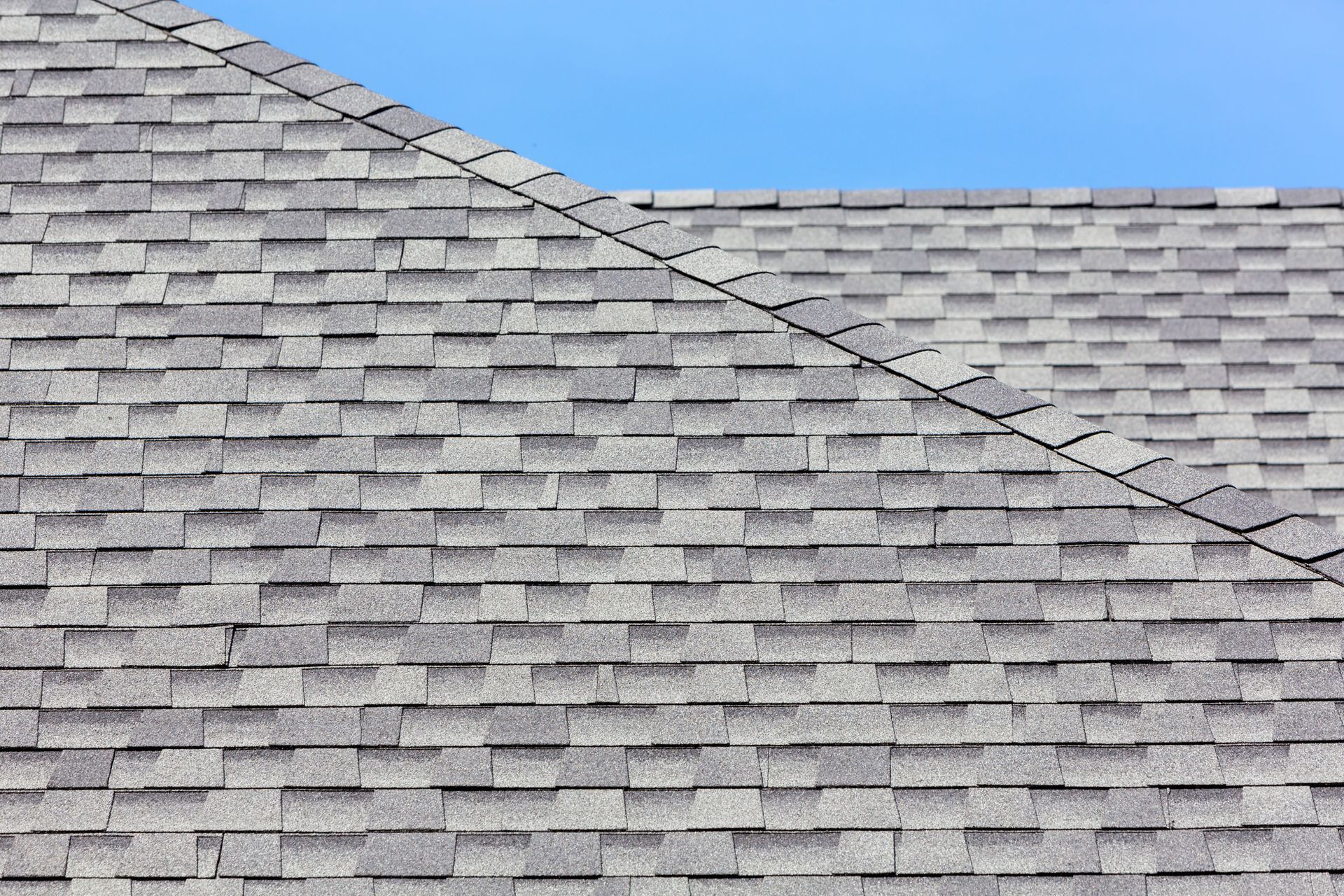
Asphalt shingles remain a widely used roofing material because they offer a balance of affordability, accessibility, and straightforward installation. Many commercial roofers recommend asphalt shingles for smaller commercial buildings or structures with sloped roofs. Their versatility allows them to complement a variety of architectural styles, and they are available in numerous colors and textures to match building designs.
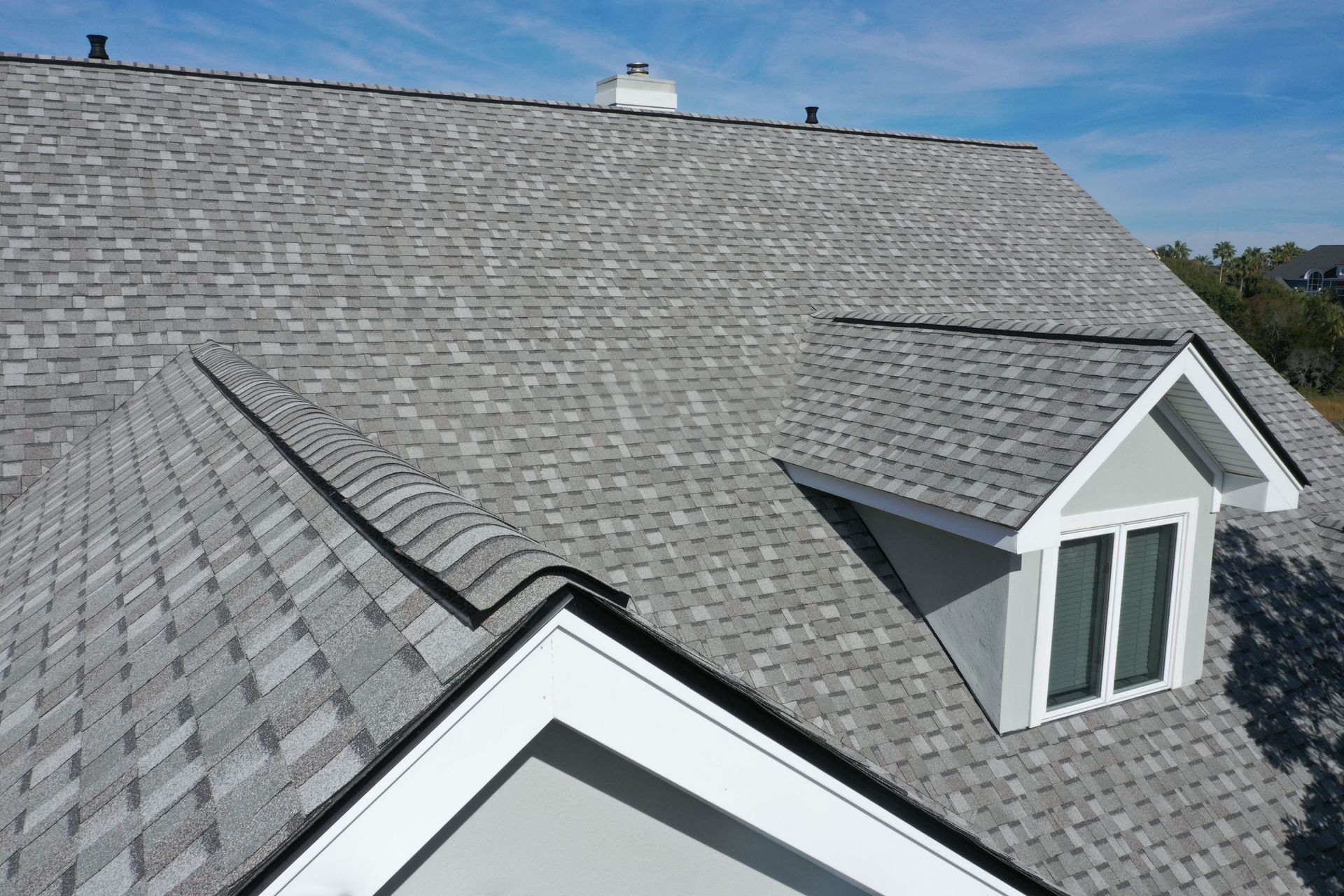
There are several types of asphalt shingles available, including three-tab, architectural, and luxury varieties. Three-tab shingles provide a simple, economical option, while architectural shingles offer a thicker construction and enhanced durability. Luxury shingles replicate the appearance of premium materials such as slate or cedar shake while maintaining the practical advantages of asphalt. These options allow property owners to achieve the desired appearance for their building without exceeding their project budget.
Another advantage of asphalt shingles is the ease of repair and replacement. If a section of the roof becomes damaged due to weather or aging, individual shingles can often be replaced without requiring extensive work across the entire roof surface. This flexibility helps reduce repair costs and minimizes disruption to business operations. Additionally, improvements in manufacturing have increased the durability and weather resistance of many modern asphalt products.
Although asphalt shingles typically have a shorter lifespan than some other materials, they remain a dependable option when installed and maintained properly. Routine inspections and minor repairs help extend their performance, allowing building owners to maintain protection while managing roofing costs effectively.
Exploring Metal Roofing for Long-Term Durability
Metal roofing has gained significant popularity in commercial construction due to its exceptional durability and energy performance. Many commercial roofers recommend metal systems for businesses seeking a long-lasting roofing solution that requires minimal maintenance. Metal roofs are available in aluminum, steel, copper, and zinc, each offering unique advantages depending on the environment and budget.
One of the biggest advantages of metal roofing is its ability to reflect solar heat, which helps reduce cooling costs during warmer months. This reflective quality contributes to improved energy efficiency and can make a noticeable difference in operational expenses over time. Additionally, metal roofing performs extremely well in harsh weather conditions.
Another reason metal roofing is widely used in commercial construction is its impressive longevity. Many metal roofing systems can last several decades with minimal deterioration when properly installed and maintained. Protective coatings help prevent corrosion and improve moisture resistance, while durable panels protect the building from rain, snow, and extreme temperature fluctuations.
According to Roofer's Guild, a metal roof can withstand winds up to 140 mph on average. Combined with its fire resistance and long lifespan that can reach several decades, this strength makes metal roofing a reliable investment for commercial buildings located in areas prone to severe weather.
Installing EPDM Rubber Roofing for Flat Roof Systems
EPDM roofing, a synthetic rubber membrane, is a common choice for commercial buildings with flat or low-slope roof designs. Many commercial roofers rely on EPDM because it offers excellent flexibility and resistance to temperature changes. The material can expand and contract with seasonal weather shifts without cracking, helping preserve the integrity of the roofing system.
This roofing membrane is typically installed in large sheets that are adhered or mechanically fastened to the roof surface. Because fewer seams are required, the risk of leaks can be reduced when the installation is performed correctly. EPDM also performs well against ultraviolet exposure and weathering, making it a dependable option for long-term protection.
Another advantage of EPDM roofing is its ability to perform well in a wide range of climates. The membrane remains stable in both hot and cold conditions, which helps maintain its protective qualities year-round. This adaptability makes it particularly valuable for buildings located in regions with significant seasonal temperature changes.
Maintenance for EPDM roofs is generally simple, involving periodic inspections to ensure seams, flashing, and drainage systems remain in good condition. With proper care, EPDM roofs can provide decades of dependable service while maintaining cost efficiency for building owners.
Utilizing TPO Roofing for Energy Efficiency
TPO, or thermoplastic olefin roofing, has become a popular solution for commercial properties seeking a combination of performance and affordability. Commercial roofers often recommend TPO systems for buildings that require a durable membrane capable of reflecting sunlight and reducing heat absorption.
The reflective surface of TPO roofing helps lower rooftop temperatures, which can decrease the workload placed on HVAC systems during warm seasons. This characteristic supports energy efficiency and can contribute to reduced operating costs for businesses. TPO membranes are also resistant to punctures, dirt buildup, and chemical exposure, making them suitable for many commercial environments.
In addition to energy efficiency, TPO roofing is valued for its relatively lightweight structure and ease of installation. Roofing professionals can install large sheets efficiently, which helps reduce labor time and project disruption. The welded seams create a strong barrier that improves resistance to moisture infiltration.
Installation methods typically involve mechanical fastening or adhesive application, creating a secure barrier against moisture infiltration. When installed by skilled professionals and maintained through periodic inspections, TPO roofs can provide reliable performance for many years.
Choosing PVC Roofing for Specialized Environments
PVC roofing systems are known for their exceptional durability and resistance to chemicals, oils, and industrial pollutants. Because of these qualities, commercial roofers frequently recommend PVC for facilities such as restaurants, factories, and manufacturing plants where rooftop exposure to chemicals or grease may occur.
The structure of PVC roofing typically includes reinforced layers that enhance strength while maintaining flexibility. Heat-welded seams create a watertight bond that strengthens the overall roofing system and reduces the likelihood of leaks. This welding process also improves long-term durability by eliminating common weak points.
PVC roofing is also highly resistant to moisture and microbial growth, which helps maintain the cleanliness and structural stability of the roof surface over time. These qualities make it particularly valuable for buildings that operate in demanding environments where contamination or residue buildup could damage other materials.
PVC roofing also reflects sunlight efficiently, helping maintain cooler rooftop temperatures and improving energy performance. Combined with its resistance to moisture and environmental contaminants, PVC offers a dependable solution for commercial buildings that demand both durability and specialized protection.
Choosing the right roofing material can influence the safety, efficiency, and longevity of any commercial building. From cost-effective asphalt shingles to durable metal systems and advanced membrane options like EPDM, TPO, and PVC, each material offers unique advantages depending on the building's structure and operational needs. Consulting experienced commercial roofers helps ensure that property owners select the most appropriate roofing solution for their specific environment and long-term goals.
Careful planning, professional installation, and routine maintenance all play a role in maximizing the value of a commercial roofing system. By evaluating performance factors such as durability, energy efficiency, and resistance to environmental conditions, businesses can invest in roofing materials that protect their property and support long-term building performance. For more information about the services that we offer, reach out to our incredible team at RF Custom Construction today!
Share On: